
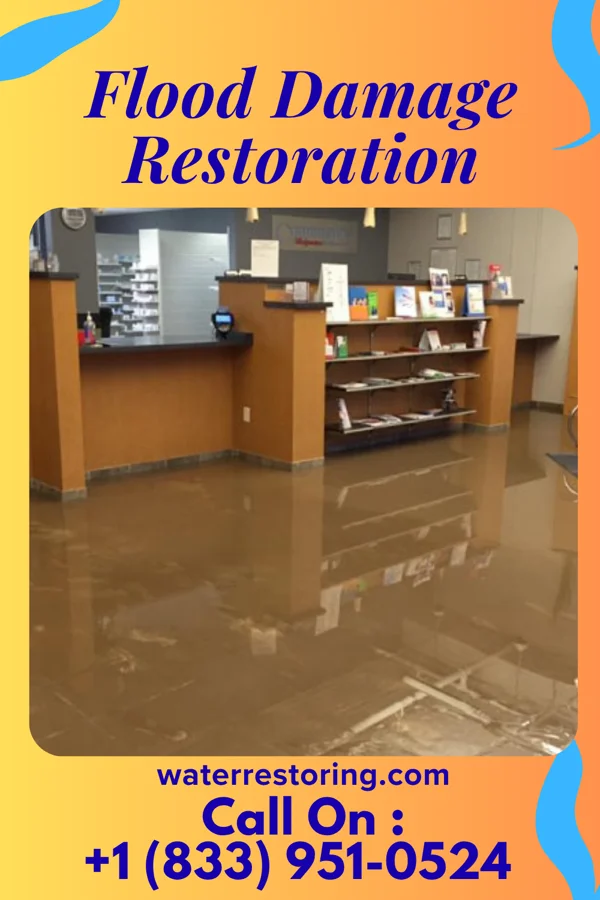
Common Flood Triggers in Firth
Most flood damage restoration calls in Firth come from Firth, Nebraska is prone to flooding due to its location in a rural area with low-lying terrain and proximity to the Platte River. Heavy rainfall events and snowmelt from nearby higher elevations can quickly lead to water accumulation in the community. The town's drainage systems are often overwhelmed during these periods, causing localized flooding.. If you know what is about to happen, the decisions during the first 48 hours get a lot easier.
Firth experiences a continental climate with cold winters and warm summers. Spring thaws and summer storms contribute to increased flood risks. The area is also susceptible to flash floods due to its relatively flat landscape and limited natural waterways.
Most flood damage restoration calls in Firth come from Firth, Nebraska is prone to flooding due to its location in a rural area with low-lying terrain and proximity to the Platte River. Heavy rainfall events and snowmelt from nearby higher elevations can quickly lead to water accumulation in the community. The town's drainage systems are often overwhelmed during these periods, causing localized flooding.. Our team is trained to handle all water damage categories, including clean water (from broken pipes), gray water (from sinks or toilets), and black water (from sewage or floodwaters). We have the equipment and expertise to address each type of water intrusion effectively. Local mold risk: Mold can begin to grow within 48 hours of water exposure, making rapid response critical in Firth. Our team is equipped to address mold risks immediately and prevent long-term health and structural issues.